Wayfinding Signage: Improving the Customer Experience in Vermont

May 4, 2026

Share this article

Wayfinding signage is a strategic system of visual cues, including directional signs and identification markers, designed to guide visitors through physical spaces efficiently. By reducing spatial confusion, effective wayfinding enhances the customer experience, improves accessibility, and creates a professional atmosphere in offices, hospitals, and retail environments.

What is wayfinding signage?

Wayfinding signage refers to the information systems that guide people through a physical environment and enhance their understanding and experience of the space. In complex environments like Northern Vermont hospitals, sprawling educational campuses, or parks, these signs function as a silent guide. It is not just about a single arrow; it is a holistic approach to environmental graphic design.

For business owners, investing in high-quality wayfinding is about more than aesthetics. It is a functional necessity that prevents visitor frustration. When a client enters your office or a shopper enters your store, their first interaction is often with your navigation system. If that system is clear, their stress levels drop, and their focus remains on your services or products.

How do interior and exterior signage impact customer flow?

Navigation begins long before a visitor walks through your front door. Exterior signage acts as the initial touchpoint, directing traffic from the street to the parking lot and eventually to the correct entrance. Without clear exterior markers, potential customers may feel lost before they even arrive, leading to a negative first impression of your brand.

Once inside, interior signage takes over to manage the flow of movement. In retail spaces, this might mean clear department markers; in office buildings, it involves directory boards and room numbers. Strategic placement ensures that visitors don't have to stop and ask for directions, allowing your staff to focus on their primary tasks rather than acting as human maps.

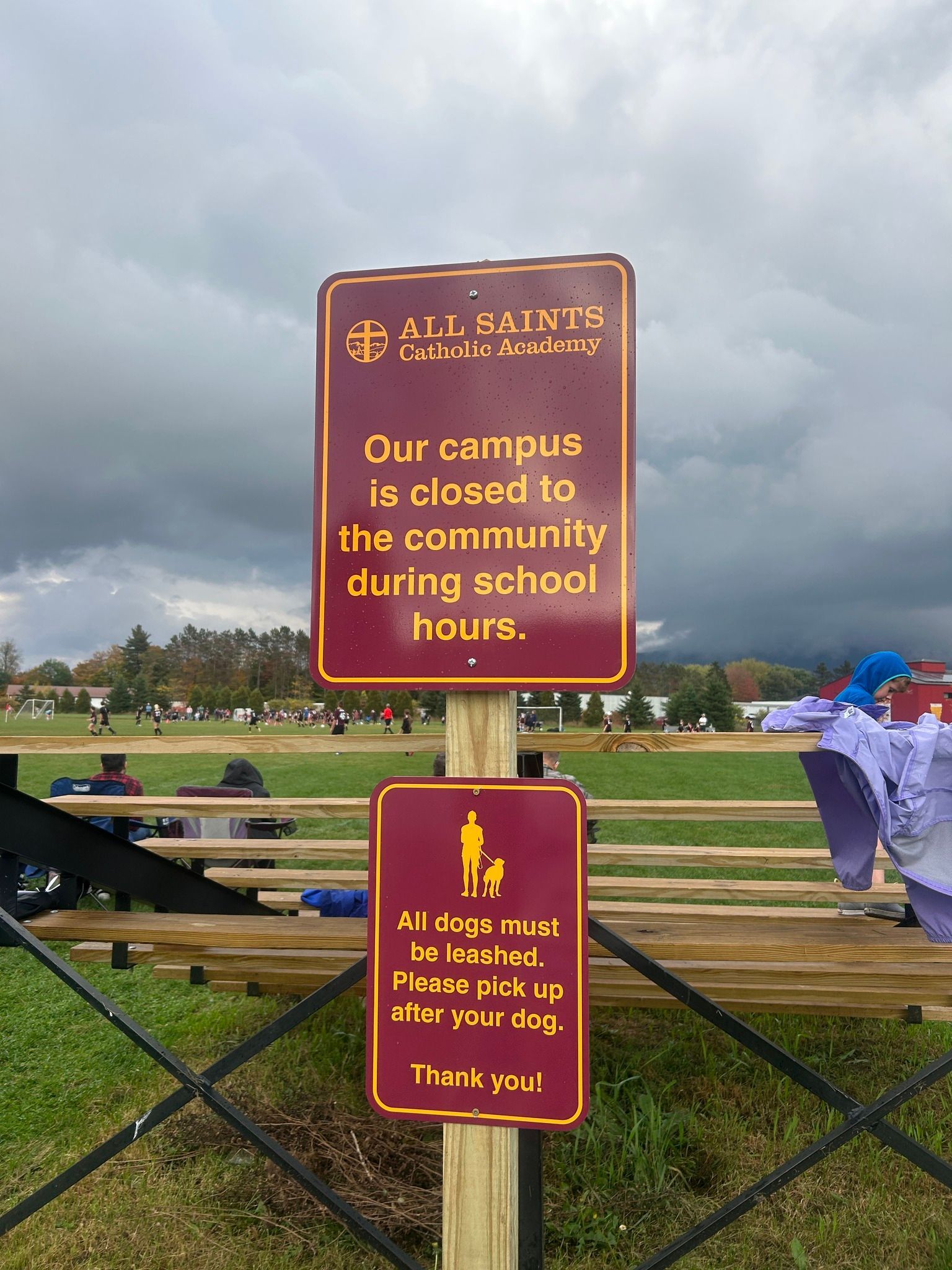
Modern exterior wayfinding signage in Northern Vermont

Essential Components of a Navigation System

A comprehensive wayfinding strategy generally utilizes four specific types of signs to create a seamless experience:

  • Identification Signs: Markers for specific destinations like "Restrooms" or "Conference Room A."
  • Directional Signs: Arrows and guides found at junctions or hallways to point the way.
  • Informational Signs: General data about the facility, such as hours of operation or Wi-Fi passwords.
  • Regulatory Signs: Critical safety or boundary information, including exit signs and "Staff Only" areas.
  • Digital Integration: Interactive kiosks that provide real-time updates for larger campuses.

By balancing these elements, you can view our services to see how custom-designed graphics can unify your physical space.

Enhancing Brand Loyalty Through Navigation

When a business is easy to navigate, it builds trust. Customers perceive the business as organized, professional, and considerate of their time. This is especially vital in high-stress environments like medical facilities or busy retail hubs. By removing the friction of navigation, you create a more welcoming environment that encourages repeat visits.

To see examples of how we have transformed local spaces, browse our portfolio showcase . If you are ready to reduce confusion in your facility, contact our team today to start your design consultation.

Key Takeaways for Business Owners:

  • Wayfinding reduces visitor stress and improves staff productivity.
  • A mix of identification and directional signs is essential for flow.
  • Effective design prioritizes high contrast and simple typography.
  • Clear signage starts at the exterior and continues through the interior.
  • Professional navigation reinforces a positive and trustworthy brand image.

Recent Posts

A commercial vehicle featuring a professional wrap and decals.
April 2, 2026
Compare vehicle wraps vs. vehicle decals to find the best mobile advertising for your Vermont business. Explore costs, ROI, and real-world branding examples.